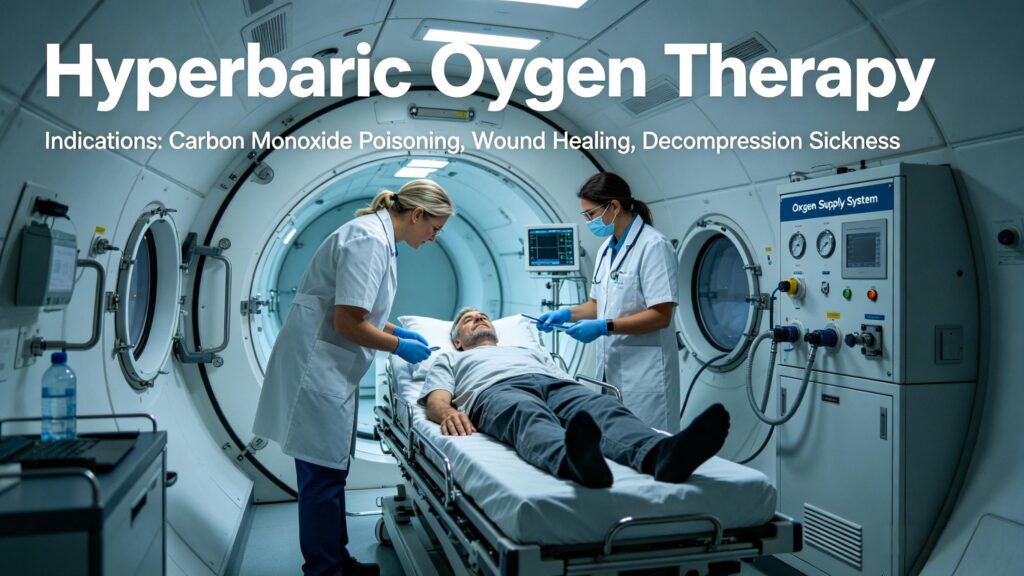
Hyperbaric oxygen therapy refers to a therapeutic process conducted within a hyperbaric chamber, wherein the internal pressure is raised to exceed one standard atmosphere, allowing the patient to inhale pure oxygen or high-concentration oxygen for the treatment of various medical conditions. This form of treatment is a non-invasive, drug-free “green therapy.” The specific method—which involves placing a patient in a hyperbaric chamber to expose them to an environment exceeding one atmosphere of pressure, thereby facilitating the absorption of pure oxygen to treat specific diseases—is known as hyperbaric oxygen therapy. During this process, the inhaled oxygen concentration ranges from 85% to 99%; consequently, the blood oxygen content reaches levels several—or even tens—of times higher than those achieved through oxygen inhalation at normal atmospheric pressure. This effectively elevates blood oxygen tension and increases total blood oxygen content. As such, it demonstrates particular efficacy in the treatment of certain acute and chronic hypoxic conditions, holding significant importance in improving cure rates and reducing the incidence of disability.
Enhances the rate of oxygen diffusion and extends the effective diffusion distance.
Under hyperbaric oxygen conditions, cerebral blood vessels constrict; this reduces cerebral blood flow, alleviates cerebral edema, and consequently lowers intracranial pressure.
Given the rich vascular supply of brain tissue, hyperbaric oxygen not only promotes the formation of collateral circulation—thereby protecting neurons within the “ischemic penumbra”—but also stimulates extensive microvascular formation, which aids in repairing certain pathological cerebral blood vessels.
Hyperbaric oxygen therapy can promptly correct metabolic disturbances, prevent myocardial ischemia, hypoxia, and pulmonary edema, and contribute to enhancing the body’s overall defensive capabilities.
Prevents thrombosis and promotes the resorption of existing thrombi.
Improves cerebral metabolism and restores brain function.
Acts as a consciousness-arousing agent.
What are the functions of a hyperbaric oxygen chamber, and what conditions does it treat?
Wellness & Preventive Care — Treating Before Illness Strikes Primarily targeted at sub-healthy populations—such as office workers and the elderly—who frequently experience fatigue, dizziness, poor sleep quality, or low spirits. Appropriate oxygen supplementation can increase blood oxygen levels, boost energy, and thereby alleviate symptoms of physical sub-health.
Critical Care & Emergency Rescue — Saving Lives and Arousing Consciousness Examples include carbon monoxide poisoning, acute ischemia, infectious diseases, neurological disorders, cardiac conditions, loss of consciousness, and coma arousal.
Treatment & Rehabilitation — Organ Preservation Examples include post-operative acute ischemia, radiation-induced tissue injury, wound healing, ENT (Ear, Nose, and Throat) disorders, hepatic necrosis, digestive system diseases, and osteoporosis.
What conditions can be treated with hyperbaric oxygen therapy? Over the past two decades, the Department of Hyperbaric Oxygen Therapy has collaborated with departments such as Internal Medicine, Surgery, and Rehabilitation Medicine to treat thousands of patients, consistently achieving excellent therapeutic outcomes. Indications for Acute Conditions: (1) Acute carbon monoxide poisoning and poisoning by other toxic gases; (2) Gas gangrene, tetanus, and other anaerobic bacterial infections; (3) Decompression sickness; (4) Air embolism; (5) Acute cerebral dysfunction following cardiopulmonary resuscitation (regardless of underlying cause); (6) Adjunctive therapy for shock; (7) Cerebral edema; (8) Pulmonary edema (excluding cardiogenic pulmonary edema); (9) Crush syndrome; (10) Circulatory impairment following limb (finger/toe) replantation or skin grafting; (11) Drug and chemical poisoning; (12) Acute ischemic-hypoxic encephalopathy. Non-Emergent Indications (1) Carbon monoxide poisoning and other toxic encephalopathies; (2) Sudden sensorineural hearing loss; (3) Ischemic cerebrovascular diseases (cerebral arteriosclerosis, TIA, cerebral thrombosis, cerebral infarction); (4) Traumatic brain injury (concussion, cerebral contusion/laceration, post-operative state following intracranial hematoma evacuation, brainstem injury); (5) Recovery phase of cerebral hemorrhage; (6) Fractures and delayed bone union following fractures; (7) Central serous chorioretinopathy; (8) Vegetative state; (9) High-altitude maladaptation syndrome; (10) Peripheral nerve injury; (11) Post-operative state following resection of benign intracranial tumors; (12) Periodontal disease; (13) Viral encephalitis; (14) Facial neuritis; (15) Osteomyelitis; (16) Avascular necrosis of bone; (17) Cerebral palsy; (18) Intrauterine growth restriction (IUGR); (19) Diabetes and diabetic foot; (20) Coronary atherosclerotic heart disease (angina pectoris, myocardial infarction); (21) Tachyarrhythmias (atrial fibrillation, premature beats, tachycardia); ( 22) Myocarditis; (23) Peripheral vascular diseases (vasculitis, Raynaud’s disease, deep vein thrombosis, etc.); (24) Vertigo; (25) Chronic skin ulcers (due to arterial insufficiency, venous stasis, pressure ulcers, etc.); (26) Spinal cord injury; (27) Peptic ulcers; (28) Ulcerative colitis; (29) Burns; (30) Frostbite; (31) Post-plastic surgery; (32) Post-skin grafting; (33) Sports injuries; (34) Radiation injuries (to bone, soft tissue, bladder, etc.); (35) Malignant tumors (used in conjunction with radiotherapy or chemotherapy); (36) Optic nerve injury; (37) Fatigue syndrome; (38) Vasoneurotic headache; (39) Impetigo; (40) Psoriasis; (41) Pityriasis rosea; (42) Multiple sclerosis; (43) Acute infectious polyradiculoneuritis; (44) Recurrent oral ulcers; (45) Paralytic ileus; (46) Bronchial asthma; (47) Acute respiratory distress syndrome.
Contraindications (1) Untreated pneumothorax or mediastinal emphysema; (2) Pulmonary bullae; (3) Active internal bleeding or hemorrhagic disorders; (4) Pulmonary tuberculosis with cavitation and hemoptysis; (5) Upper respiratory tract infections; (6) Pulmonary emphysema; (7) Bronchiectasis; (8) Sinusitis; (9) Second-degree or higher atrioventricular block; (10) Severe hypertension (>155/95 mmHg); (11) Bradycardia (<50 beats/min); (12) Untreated malignant tumors; (13) Retinal detachment; (14) Early pregnancy (within the first 3 months).
Professional hyperbaric oxygen chamber manufacturer offering premium home & commercial HBOT therapy chambers. Safe, smart oxygen wellness chambers for wellness center, home recovery & medical aesthetics.
Discover the M6 Double Cabin Hyperbaric Oxygen Chamber from Mindox. This reliable dual-cabin oxygen chamber supports 2-4 users, features adjustable pressure, full safety protection and quiet operation, ideal for family wellness, recovery centers a...
Looking for the best home oxygen concentrator? Read our real user review of MIND 5L medical-grade oxygen concentrator: quiet, reliable, and perfect for elderly care.
 mindoxychamber



HellowPlease log in