If you are considering a home hyperbaric chamber, the first step is not to choose the lowest-priced model or the chamber with the highest pressure. You need to understand which chamber type fits your intended use, available space, operating requirements, and local regulations.
This guide explains what to look at before buying or importing a home hyperbaric chamber, including chamber type, pressure, size, oxygen supply, safety, cost, regulatory requirements, and manufacturer support.
What Is a Home Hyperbaric Chamber?
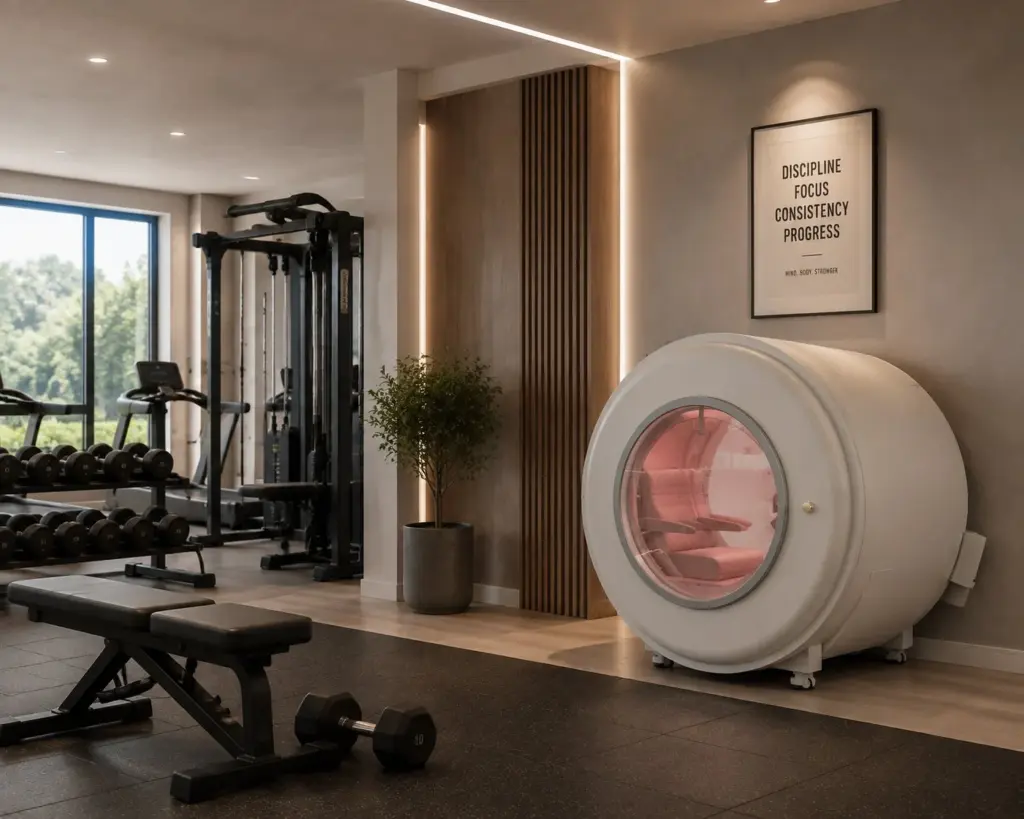
A home hyperbaric chamber is a chamber intended to be used in a residential environment rather than requiring the user to visit a hospital or dedicated facility for every session.
However, “home hyperbaric chamber” is not a single technical category.
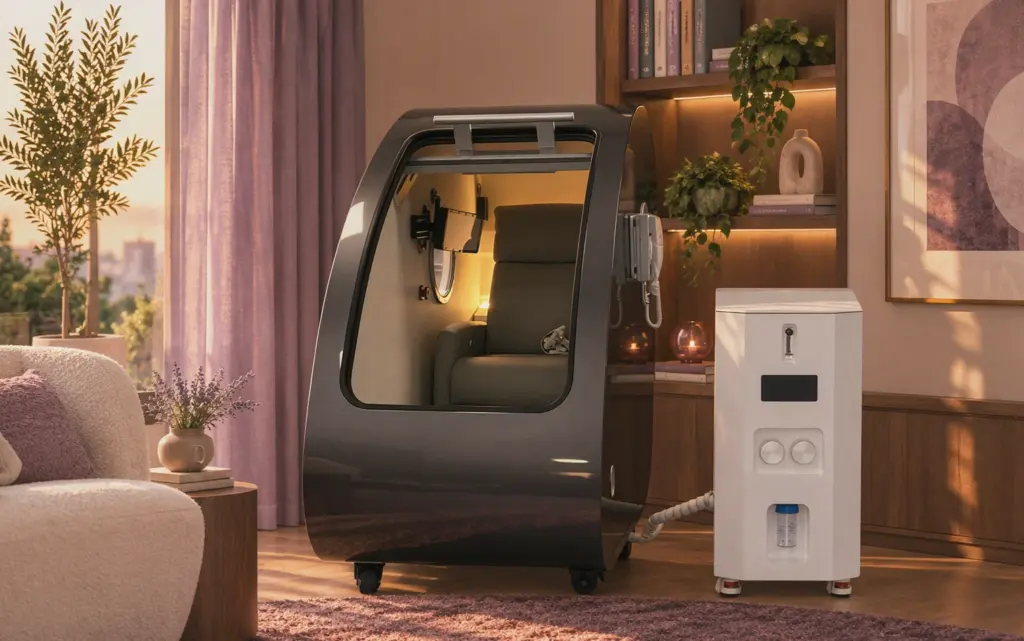
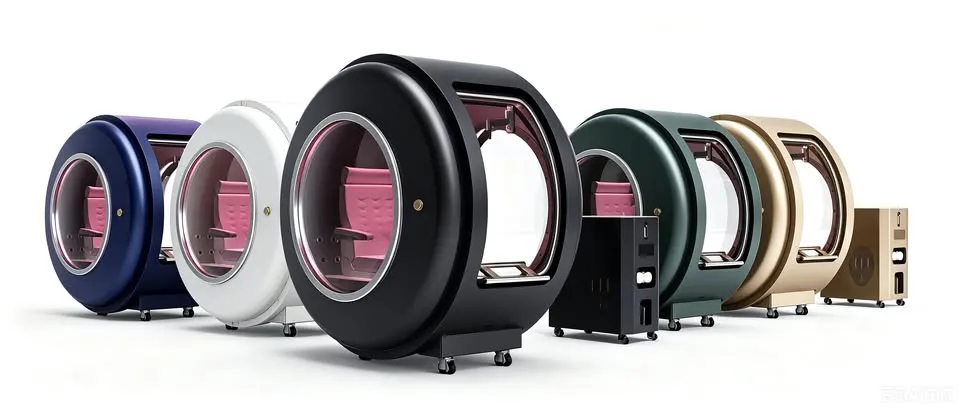
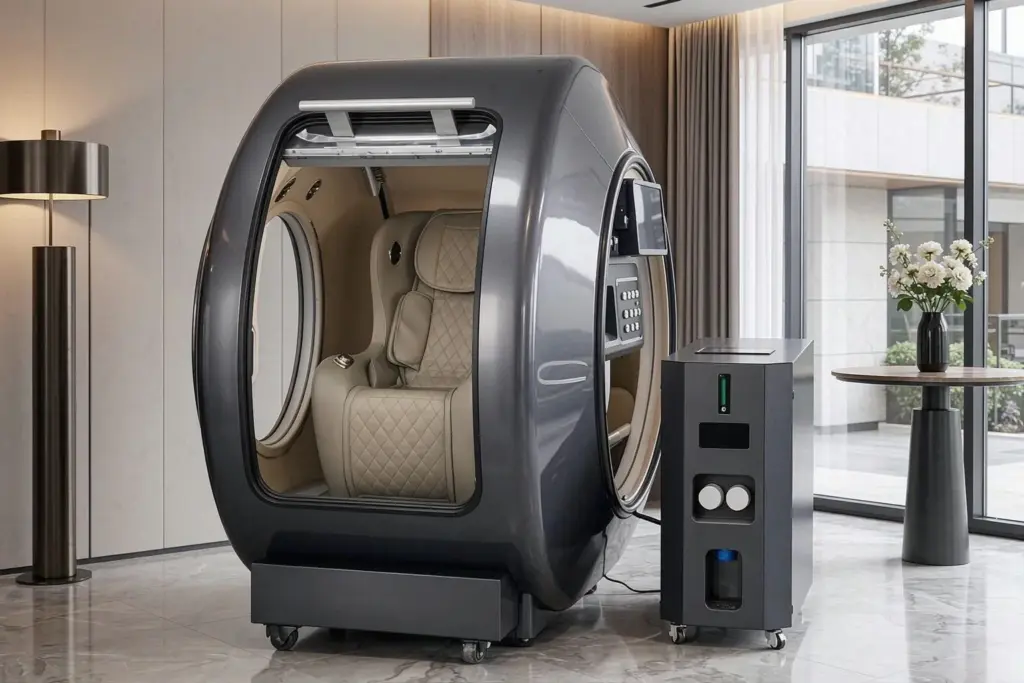
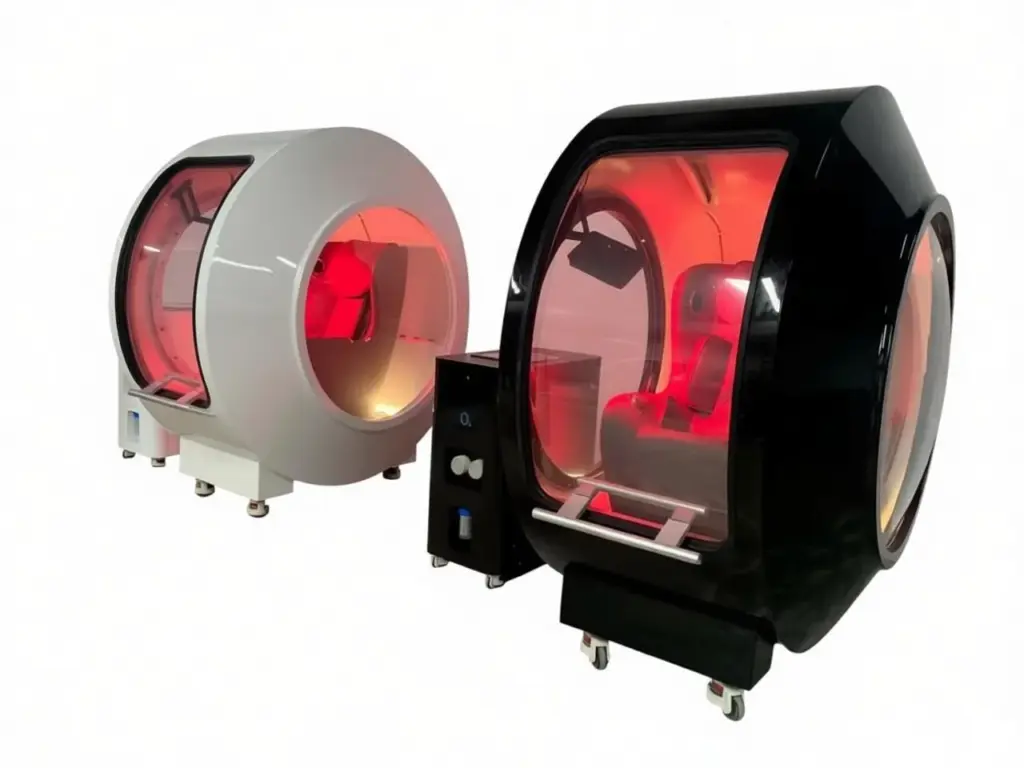
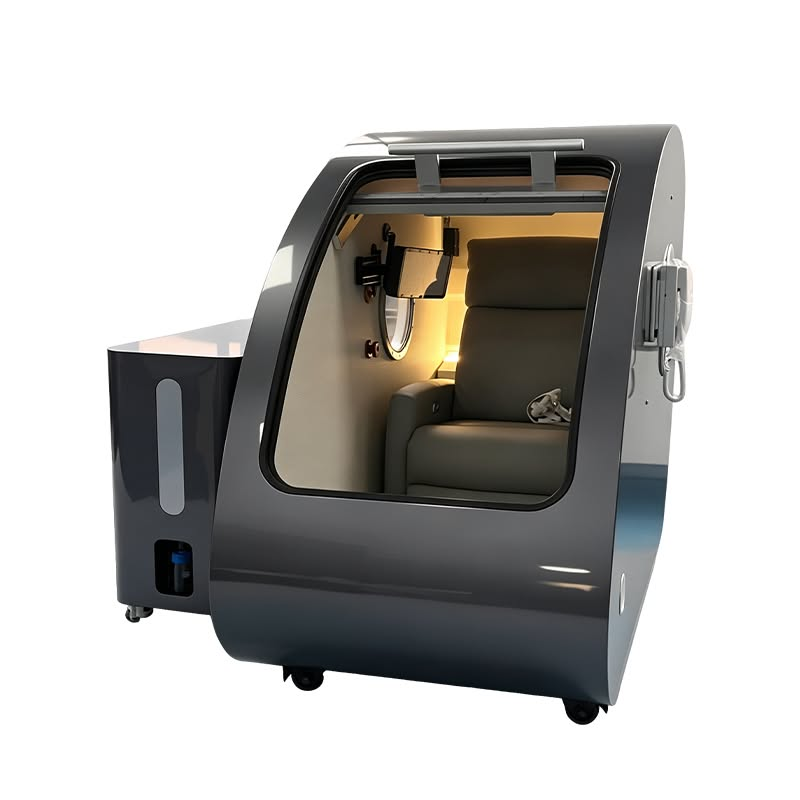
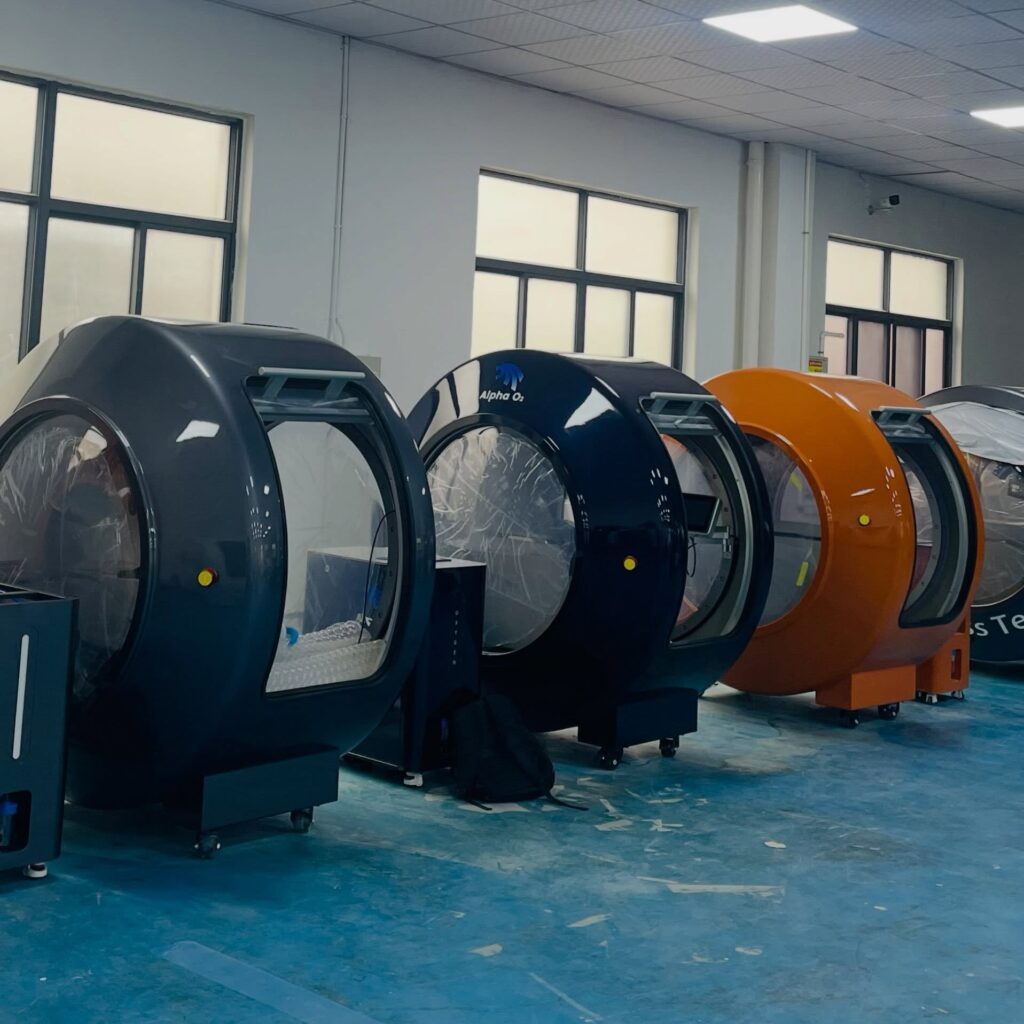
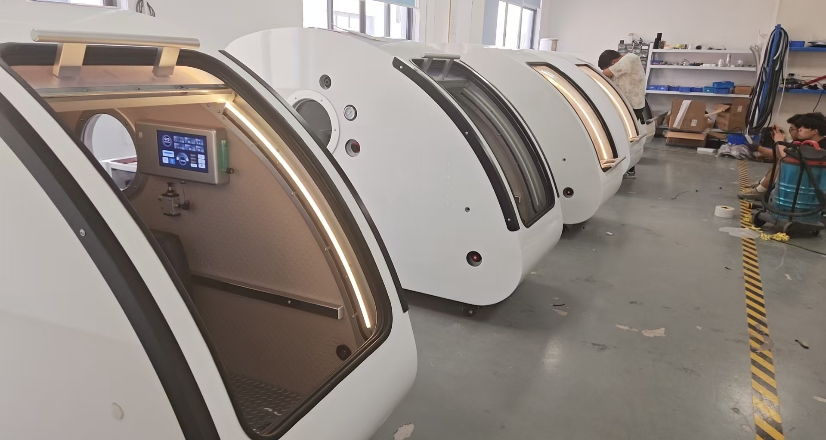
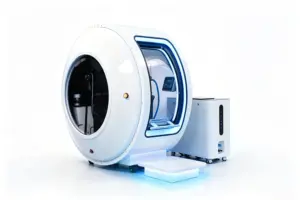
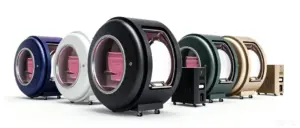
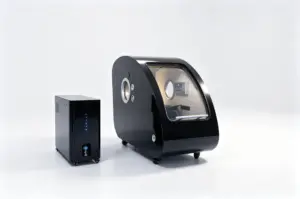
Home chambers can have different structures, sizes, pressure capabilities, oxygen delivery systems, and operating requirements. Commercial products include portable, seated, reclining, and rigid chamber designs, depending on the manufacturer and intended application.
This means you should treat “home” as a description of the intended setting rather than a complete product specification.
For example, one buyer may have a small room and prefer a compact single-person chamber. Another may have a dedicated wellness room and prefer a larger rigid chamber. A business owner may also search for a home hyperbaric chamber because the equipment will be placed in a private wellness or recovery space rather than a hospital.
The intended user and actual environment therefore matter as much as the chamber itself.
Before comparing products, consider who will use the chamber, where it will be placed, how frequently it will operate, and whether it is being purchased for personal use, a wellness business, a professional project, or distribution.
This gives you a much clearer basis for comparing products than the word “home” alone.
Home Hyperbaric Chamber vs Portable Hyperbaric Chamber
The terms home and portable are often used together, but they describe different aspects of a hyperbaric chamber.
Home mainly describes the intended location or environment.
Portable describes the chamber’s mobility, storage, transportation, or setup characteristics.
A portable chamber may be designed for home use, but a home hyperbaric chamber does not automatically have to be portable.
This distinction matters because buyers often use the two terms as if they describe the same product.
If you have limited space, portability may be an important factor. You may need to move the chamber between rooms or store it when it is not being used.
If you have a dedicated room, however, portability may be less important. You may instead care more about internal space, access, chamber structure, control systems, and long-term use.
The same principle applies to pressure.
A product should not be considered more suitable simply because it is portable or because its advertised ATA is higher. The better approach is to compare the complete equipment configuration with your actual requirements.
Factor
Home Hyperbaric Chamber
Portable Hyperbaric Chamber
Main focus
Intended use location
Mobility and setup
Structure
Can vary
Can vary
Size
Depends on model
Often designed with portability in mind
Pressure
Depends on model
Depends on model
Storage
Depends on design
Usually an important consideration
Installation
Depends on product
Often designed for simpler setup
Selection method
Match to home or project requirements
Match to actual mobility needs
This distinction is particularly useful when comparing products from different manufacturers.
What Type of Hyperbaric Chamber Is Suitable for Home Use?
There is no single chamber type that is right for every home.
The best starting point is to consider the available room, number of users, access requirements, delivery conditions, and whether the equipment needs to be moved after delivery.
Single-Person Hyperbaric Chamber
A single-person chamber can be practical when the equipment is intended for one user at a time.
Its smaller overall footprint can make room planning easier, but you should still check the complete external dimensions and access requirements.
Do not measure only the room where the chamber will be placed. You also need to consider how the equipment will enter the property, including doors, stairs, elevators, and other access points.
Seated Hyperbaric Chamber
A seated chamber may be useful if you prefer a sitting position rather than lying down.
This configuration can also fit better into certain rooms because of its vertical structure.
When comparing seated models, check the seat dimensions, entry design, user access, overall height, and equipment footprint.
Rigid Hyperbaric Chamber
Rigid chambers use a fixed structure rather than a flexible pressure enclosure.
They can require more dedicated space and more planning for delivery and placement.
If you are considering a rigid chamber for a home or private facility, confirm the chamber dimensions, weight, access route, electrical requirements, and preparation required before delivery.
Portable Hyperbaric Chamber
Portable chambers are attractive to buyers who prioritize movement, storage, or simpler setup.
However, portability should not be the only selection factor.
You still need to confirm the chamber’s intended use, pressure range, oxygen system, safety features, documentation, and applicable local requirements.
For a home buyer, the right chamber is therefore the one that matches the complete project rather than the product category that sounds most attractive.
What Should You Check Before Buying a Home Hyperbaric Chamber?
Before buying a home hyperbaric chamber, compare the complete system rather than focusing on one specification.
1. Chamber Type
Start with the chamber structure.
Do you need a portable chamber, seated chamber, single-person chamber, rigid chamber, or another configuration?
The answer depends on your available space, intended use, access requirements, and delivery conditions.
A product that looks suitable online may not be suitable once you consider the room and access route.
2. Working Pressure
Pressure is one of the most visible specifications on a hyperbaric chamber product page.
However, you should not assume that a higher ATA automatically makes a chamber more appropriate.
Look at the manufacturer’s stated working pressure, operating range, intended use, and complete system configuration.
The pressure specification should be considered together with the chamber structure and other equipment rather than as an isolated number.
3. Oxygen Supply
Do not look at the chamber separately from its oxygen system.
Ask what oxygen source is included, how oxygen is delivered, and whether additional equipment is required.
The oxygen system can affect the overall equipment configuration, operating requirements, and space needed around the chamber.
When requesting a quotation, make sure the supplier clearly states which oxygen-related equipment is included.
4. Chamber Dimensions
Measure both the available room and the access route.
Check:
Chamber length and width
Overall height
Door dimensions
Stairs
Elevator access
Delivery route
Required clearance around the equipment
A chamber that fits inside the room may still be difficult to deliver through the building.
For international purchases, also check the packed dimensions and shipping weight.
5. Safety Systems
Ask the manufacturer what safety systems are included.
Depending on the product, this may include pressure monitoring, emergency pressure release, communication systems, ventilation, electrical protection, and other safety-related components.
Do not assume that two chambers with similar pressure specifications have the same safety configuration.
Ask for the actual equipment configuration instead of relying only on product marketing descriptions.
6. Electrical Requirements
International buyers should confirm voltage, frequency, power consumption, plug type, and the requirements of the complete system.
This becomes particularly important when purchasing equipment from overseas.
The chamber itself may not be the only electrical equipment involved. Oxygen concentrators, air pumps, control systems, and other components may have their own requirements.
7. Documentation
Before placing an order, ask for available product documentation.
Depending on your market and project, this may include user manuals, certification information, technical documents, warranty terms, product specifications, and other regulatory documentation.
For importers and distributors, documentation can be especially important because the requirements may extend beyond the product itself.
8. After-Sales Support
A hyperbaric chamber is a significant equipment purchase.
You should know who will help with operation questions, spare parts, maintenance, troubleshooting, and warranty issues after delivery.
If you are buying internationally, ask how support will be provided after the equipment arrives in Canada.
A clear after-sales process can make a major difference when the supplier and buyer are located in different countries.
How Much Does a Home Hyperbaric Chamber Cost in Canada?
The price of a home hyperbaric chamber can vary significantly depending on the chamber structure, working pressure, size, oxygen system, control equipment, accessories, documentation, warranty, and shipping.
Portable models may have a very different price from larger rigid systems, so comparing only the advertised starting price can give you an incomplete picture.
For Canadian buyers importing from overseas, you should also consider freight, insurance, customs-related costs, and other destination expenses where applicable. The factory price is not necessarily the final delivered cost.
When requesting a quotation, ask the supplier to provide a complete list of what is included. This may cover the chamber, air pump, oxygen equipment, accessories, control system, packaging, documentation, and warranty.
A useful question is not simply:
“What is the price?”
Instead, ask:
“What is included in the complete system, and what additional costs should I expect before the equipment is ready to use?”
This gives you a more realistic basis for comparing different suppliers.
For a larger project, it can also be useful to compare the complete delivered equipment cost rather than the factory product price alone.
What Should Canadian Buyers Know Before Buying a Home Hyperbaric Chamber?
Canadian buyers need to look at the product itself and the regulatory requirements at the same time.
Health Canada identifies hyperbaric chambers as medical devices and provides information about their regulatory requirements. Applicable Class II, III, and IV medical devices generally require the appropriate licensing before they can be imported and sold in Canada.
There is also an important issue concerning soft-shelled chambers.
Health Canada has published public advisories concerning unauthorized or unlicensed soft-shelled hyperbaric chambers and has warned Canadians about potential risks associated with these products.
This makes regulatory verification particularly important if your search begins with terms such as “portable hyperbaric chamber Canada” or “home hyperbaric chamber Canada.”
Do not assume that a product is authorized simply because it is available on a Canadian-facing website.
You should also not rely only on statements such as:
Medical grade
Professional grade
FDA certified
CE certified
Used by professionals
These descriptions do not replace checking the requirements that apply in Canada.
Before purchasing, ask the supplier for:
Exact product name
Model number
Manufacturer information
Intended use
Product specifications
Available certification documents
Regulatory information
Warranty details
Import-related documents
If you are a Canadian individual buying equipment for personal use, your situation may be different from that of an importer, distributor, or business purchasing equipment for commercial purposes.
If you are importing or distributing the equipment, confirm the applicable requirements before arranging shipment.
A practical purchasing process is:
Identify the product → confirm the intended use → check Canadian requirements → review documentation → confirm import arrangements → place the order.
This process can help you avoid choosing a product based only on its online price or marketing claims.
Should You Buy a Hyperbaric Chamber Directly From a Manufacturer?
Buying directly from a manufacturer can be useful when you need more than a simple product purchase.
A local distributor may be convenient if you want local service, local communication, or a ready-to-buy product.
A manufacturer, however, can provide more direct access to the company responsible for production.
This can be important when you need to discuss a specific chamber configuration.
For example, you may need to confirm:
Chamber dimensions
Chamber type
Working pressure
Oxygen system
Control equipment
Accessories
Packaging
Spare parts
Documentation
Warranty
Shipping method
For distributors and project buyers, direct communication can also make it easier to discuss multiple models or repeat orders.
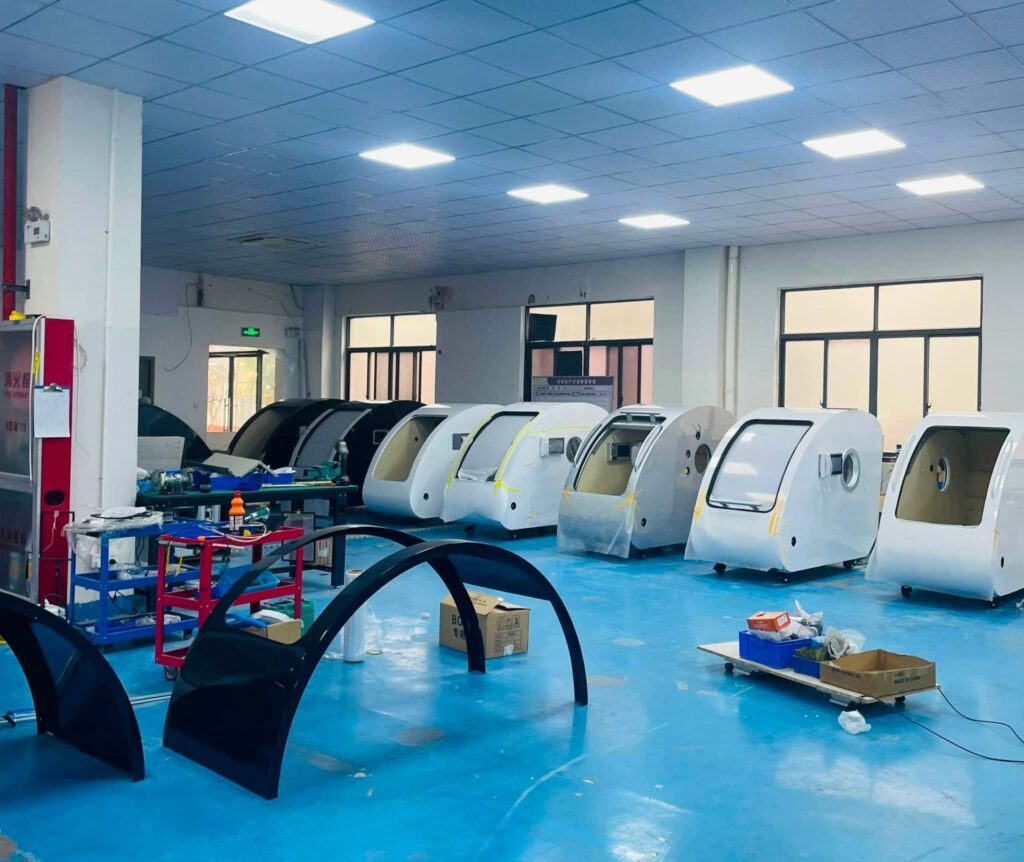
If you are importing from China, shipping should be discussed early.
You need to know whether the chamber is shipped as a complete unit, how it is packaged, what the shipping dimensions are, and what preparation is required at the destination.
For a home buyer, direct manufacturer purchasing can also make sense when the product requires detailed configuration or when you want to communicate directly with the production team.
However, direct sourcing does not remove your responsibility for local regulations.
The manufacturer can provide product information and documents, but the buyer or importer should still confirm what is required in the Canadian market.
What Can You Expect From a Hyperbaric Chamber Manufacturer?
When you contact a manufacturer, the conversation should go beyond a product price.
A useful first discussion should help you understand which chamber models are available and which configuration matches your project.
You can ask the manufacturer to explain the differences between available models rather than simply sending you a product catalog.
For example, if you are a home buyer, you may need help comparing chamber size, access, operating requirements, and available accessories.
If you operate a wellness or recovery business, you may need information about equipment configuration, space planning, delivery, documentation, and after-sales support.
If you are a distributor, you may care more about product range, packaging, shipping, documentation, spare parts, and long-term cooperation.
A manufacturer should also be able to explain how the equipment is packaged and shipped.
For international buyers, complete-unit shipping can simplify the receiving process because the equipment arrives as a prepared system rather than requiring extensive assembly at the destination.
This can be useful when the buyer does not have an engineering team available locally.
When working with MindOXY, buyers can discuss their project requirements directly with the manufacturer and review suitable hyperbaric chamber configurations before confirming an order.
Depending on the project, the discussion can cover chamber selection, product configuration, accessories, documentation, complete-unit shipping, warranty, and after-sales support.
Final Checklist Before You Order a Home Hyperbaric Chamber
Before you place an order, make sure you have clear answers to the following questions:
What type of chamber do I need?
What is the actual working pressure?
What oxygen supply system is included?
What are the complete chamber dimensions?
Can the equipment enter my building?
What safety systems are included?
What electrical requirements should I prepare?
What documentation is available?
What does the warranty cover?
Who will provide after-sales support?
If you are importing the equipment, add several more questions:
Who will act as the importer?
What shipping method will be used?
What are the packed dimensions and weight?
What documents will be provided for customs and regulatory review?
What local requirements apply to the product?
Are spare parts available?
How will technical support be provided after delivery?
You should also ask for a complete quotation.
A useful quotation should clearly identify the equipment included and separate the product cost from shipping and other destination-related costs where applicable.
For Canadian buyers, regulatory verification should happen before the shipment is arranged.
For other international markets, the same principle applies: check local requirements before making a final purchasing decision.
A well-prepared order should give you a clear understanding of the product, price, documents, shipping, setup requirements, warranty, and after-sales support before payment.
FAQ
Can I use a hyperbaric chamber at home?
Some hyperbaric chambers are designed or marketed for use in residential environments, but whether a specific chamber is suitable depends on its design, intended use, operating requirements, and applicable regulations.
Before buying, consider where the chamber will be placed, how much space is available, how the equipment will enter the building, and what electrical and operating requirements it has. You should also understand whether the product is intended for wellness use, professional use, or a specific medical purpose.
For Canadian buyers, regulatory requirements should be checked before purchasing or importing the equipment. If you are considering hyperbaric oxygen therapy for a medical condition, you should also discuss the treatment with an appropriate healthcare professional.
For home use, the practical question is not simply whether a chamber can physically fit inside your house. You should confirm that the complete system, documentation, operating conditions, and intended use are appropriate for your situation.
What Is the Difference Between a Home and Portable Hyperbaric Chamber?
“Home” and “portable” describe different characteristics of a hyperbaric chamber.
A home hyperbaric chamber generally refers to equipment intended to be used in a residential or private environment. A portable hyperbaric chamber focuses more on mobility, storage, transportation, or relatively flexible setup.
A portable chamber can be used at home, but not every home chamber is designed to be portable. Some home models may have a more permanent structure and require dedicated space.
When comparing products in Canada, consider your actual space and how often the equipment may need to be moved. If you have a dedicated room, portability may be less important than internal space, access, pressure, oxygen supply, and control systems.
If you need to store or move the chamber regularly, then packed dimensions, weight, setup requirements, and transportation become more important purchasing factors.
How Much Does a Home Hyperbaric Chamber Cost?
The price of a home hyperbaric chamber can vary significantly depending on the chamber structure, working pressure, size, oxygen system, control equipment, accessories, documentation, warranty, and shipping.
Portable models may have a very different price from larger rigid systems, so comparing only the advertised starting price can give you an incomplete picture.
For Canadian buyers importing from overseas, you should also consider freight, insurance, customs-related costs, and other destination expenses where applicable. The factory price is not necessarily the final delivered cost.
When requesting a quotation, ask the supplier to provide a complete list of what is included. This may cover the chamber, air pump, oxygen equipment, accessories, control system, packaging, documentation, and warranty.
A useful question is not simply “What is the price?” but “What is included in the complete system, and what additional costs should I expect before the equipment is ready to use?”
Is a Portable Hyperbaric Chamber Suitable for Everyone?
No. A portable hyperbaric chamber is not automatically the right choice for every home or project.
Portability can be useful if you have limited space, need to move the equipment between rooms, or want a chamber that can be stored when it is not being used. However, these advantages should be considered together with the complete equipment configuration.
Before buying, check the chamber’s intended use, working pressure, oxygen supply, dimensions, weight, operating requirements, safety features, and available documentation.
For Canadian buyers, applicable regulatory requirements should also be reviewed before purchasing or importing the equipment.
If the chamber will be used for a specific health or medical purpose, the decision should also involve appropriate professional advice rather than being based only on portability or product marketing.
The right choice depends on your actual environment and requirements, not simply whether the product is described as “portable.”
What Should I Check Before Buying a Hyperbaric Chamber in Canada?
Canadian buyers should check both the equipment and the regulatory requirements before placing an order.
Start by confirming the exact manufacturer, model, chamber type, intended use, working pressure, dimensions, oxygen system, electrical requirements, and included accessories. You should also ask what documentation, warranty, spare parts, and after-sales support are available.
If you are importing from another country, confirm the packed dimensions and weight, shipping method, and documents available for customs and regulatory review. These details can affect both the total cost and the receiving process.
You should also verify the requirements that apply to the specific device in Canada rather than relying only on claims such as “medical grade,” “professional,” “FDA certified,” or “CE certified.”
For commercial importers and distributors, the requirements may differ from those for an individual buyer. Confirm the applicable Canadian requirements before arranging shipment.
Should I Buy a Hyperbaric Chamber Directly From a Manufacturer?
Buying directly from a manufacturer can be useful when you need detailed product information or a specific equipment configuration.
A manufacturer can usually explain the chamber structure, working pressure, oxygen system, accessories, packaging, documentation, warranty, and available models directly. This can be particularly useful for Canadian buyers importing equipment from overseas.
Direct communication can also help you confirm practical details before payment, such as shipping dimensions, complete-unit delivery, spare parts, and after-sales support.
However, buying directly from a manufacturer does not remove the buyer’s responsibility to check Canadian import and regulatory requirements. The manufacturer can provide product information and supporting documents, but the importer should confirm what is required in the destination market.
For a home buyer, direct purchasing may be useful when the product requires detailed discussion. For distributors or project buyers, it can also make communication about repeat orders and multiple models more straightforward.
What Should I Ask a Hyperbaric Chamber Manufacturer?
Before requesting a quotation, prepare a list of practical questions rather than asking only for the product price.
Ask the manufacturer about the chamber type, working pressure, dimensions, oxygen supply, control system, safety features, included accessories, electrical requirements, packaging, and shipping method.
You should also ask which documents are available, what the warranty covers, whether spare parts can be supplied, and how after-sales support is handled after delivery.
If you are a Canadian buyer, tell the manufacturer your destination market at the beginning of the conversation. This allows you to discuss relevant product documentation and shipping requirements before placing the order.
If you are a distributor or importer, you may also want to compare several models and discuss packaging, product range, spare parts, and repeat-order support.
A good supplier conversation should help you understand the complete equipment and purchasing process, not just provide a product catalog and a unit price.
Conclusion
Choosing a home hyperbaric chamber in Canada is not simply about finding the lowest price, the highest pressure, or the smallest chamber.
The better approach is to compare the complete equipment system against your actual requirements.
Start with the intended use and available space. Then compare chamber type, working pressure, oxygen supply, dimensions, safety systems, electrical requirements, documentation, shipping, warranty, and after-sales support.
If you are buying in Canada, regulatory verification should be part of the purchasing process from the beginning. Health Canada has specific licensing requirements for applicable medical devices and has published warnings concerning unauthorized soft-shelled hyperbaric chambers.
If you are purchasing from overseas, communicating directly with a manufacturer can also help you understand the equipment configuration and complete procurement process before you place an order.
Buying a hyperbaric oxygen chamber involves more than comparing prices and pressure ratings. You also need to check the chamber's materials, safety features, oxygen supply, interior design, and after-sales support. For wellness centers, recovery f...
Best Home Oxygen Concentrator Brand: MIND User Experience & Review My elderly family member’s health has declined with age, especially their respiratory health. After a hospital visit, the doctor said their organ function is dropping. They hav...
When you compare hyperbaric chamber quotes from hyperbaric chamber manufacturer, the lowest price does not always represent the best value. Two suppliers may quote similar looking chambers but offer different materials, oxygen concentrator configu...
Adding a hyperbaric chamber to your wellness business may create a new service opportunity, but it also requires an investment in equipment, space, staff training and ongoing operations. Before making a purchase, you need to know whether the servi...
 MindOXYChamber