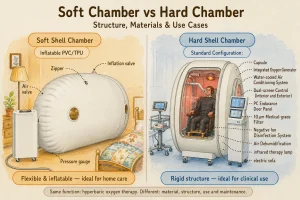
A hyperbaric chamber creates a pressurized environment that allows your body to take in more oxygen than it normally would at regular atmospheric pressure. This process, known as hyperbaric oxygen therapy (HBOT) when used as a treatment, has established medical applications for certain wounds, injuries, and other conditions.
But what are the benefits of a hyperbaric chamber beyond these specific uses? You may have seen claims about exercise recovery, healthy aging, and general wellness. While these areas have attracted research interest, the evidence is not equally strong for every claim.
In this guide, we explain how hyperbaric chambers work, what research tells us about their potential benefits, and what you should consider before using one or adding one to a wellness business.
How Does a Hyperbaric Chamber Work?
A hyperbaric chamber increases the air pressure around your body. In clinical hyperbaric oxygen therapy, you breathe oxygen at a high concentration while the chamber operates at a prescribed pressure. The combination allows your lungs to absorb more oxygen and increases the amount of oxygen dissolved in your blood plasma.
Under normal conditions, most oxygen travels through the bloodstream attached to hemoglobin in red blood cells. Under hyperbaric conditions, the increased pressure allows more oxygen to dissolve directly into the plasma. This can help oxygen reach tissues that are damaged or have a limited blood supply.
The effect depends on several factors, including the chamber’s operating pressure, the oxygen concentration you breathe, the treatment duration, and the condition being addressed. A chamber that uses concentrated oxygen is not necessarily equivalent to one that pressurizes ordinary air.
Pressure is commonly expressed in atmospheres absolute (ATA). One ATA represents normal atmospheric pressure at sea level. Higher ATA settings mean greater absolute pressure, but a higher number alone does not prove that a particular treatment will deliver better results.
It is also important to distinguish clinical HBOT from general wellness use. Research findings from a medically supervised treatment protocol cannot automatically be applied to every chamber, pressure setting, or wellness program.
What Are the Main Benefits of a Hyperbaric Chamber?
Hyperbaric oxygen therapy has established uses in specific medical situations, while other proposed benefits remain under investigation. Understanding this difference helps you make informed decisions rather than relying on broad marketing claims.
1. Supporting Healing in Certain Damaged Tissues
One of the best-established uses of clinical HBOT is supporting the treatment of certain wounds and tissue injuries. The additional oxygen available under pressure can help support processes involved in tissue repair, including the formation of new blood vessels and connective tissue.
Depending on the diagnosis, clinicians may use HBOT alongside other treatments for selected non-healing wounds, radiation-related tissue damage, compromised skin grafts, and certain serious infections.
However, HBOT is not a universal wound treatment. Its value depends on the condition, the patient’s overall health, and whether the specific indication is supported by clinical evidence. It should not replace standard wound care or other necessary treatment.
2. Potential Benefits for Exercise Recovery
Athletes and active individuals may be interested in hyperbaric chambers because of their potential role in recovery after strenuous exercise. Oxygen plays an important part in normal tissue function, so it is reasonable to ask whether increasing oxygen availability might influence recovery.
However, research on HBOT for exercise-induced muscle damage, soreness, and athletic performance has produced mixed results. Current evidence does not support promising faster recovery or improved performance for every athlete.
If you are considering a chamber for a sports recovery facility, look beyond general claims. Ask what outcomes have been studied, which treatment protocols were used, and whether the evidence applies to the equipment you plan to offer.
3. Hyperbaric Chambers and Healthy Aging
Longevity centers have shown interest in research exploring whether HBOT affects certain biological markers associated with aging. Some small studies have reported changes in selected physiological measures under specific treatment protocols.
These findings are interesting, but they do not establish that hyperbaric chambers reverse aging, extend lifespan, or prevent age-related diseases. Changes in a laboratory marker are not the same as a proven improvement in long-term health.
If you are exploring hyperbaric oxygen as part of a longevity program, it is important to communicate what is known and what remains uncertain. A responsible wellness service should set realistic expectations and avoid promising anti-aging results that clinical evidence has not established.
4. Increasing Oxygen Availability to Tissues
A key physiological effect of hyperbaric oxygen is increased oxygen availability in the blood and tissues. This is particularly relevant when clinicians treat certain conditions involving impaired tissue healing or reduced oxygen delivery.
Additional oxygen can support normal biological processes, but more oxygen is not automatically better for every healthy person. The body’s response depends on the circumstances, and excessive oxygen exposure can cause harm.
For this reason, claims that a hyperbaric chamber automatically boosts immunity, detoxifies the body, or improves every organ’s function should be treated cautiously. A clear explanation of the mechanism is useful, but the mechanism alone cannot prove every proposed health benefit.
5. A Potential Addition to the Wellness Experience
In a wellness setting, customers may value a quiet environment, comfortable seating, privacy, and a well-organized session. A hyperbaric chamber may form part of a broader service offering, depending on the business model and local rules.
These practical benefits relate to the customer experience rather than proven medical outcomes. A comfortable session does not establish that the chamber treats stress, insomnia, or anxiety.
For wellness business owners, the most responsible approach is to explain the service accurately, provide clear safety guidance, and distinguish relaxation or service quality from claims about clinical effectiveness.
What Does the Research Actually Say About Hyperbaric Chamber Benefits?
The scientific evidence for hyperbaric oxygen varies by condition. Clinical HBOT is used for specific indications such as decompression sickness, certain serious wounds and infections, carbon monoxide poisoning in selected circumstances, and some forms of radiation-related tissue injury. The appropriate treatment depends on clinical assessment and established protocols.
These uses should not be confused with claims that HBOT can treat any health condition. Evidence for general wellness, athletic recovery, healthy aging, and many other popular applications remains limited or inconsistent. Some studies report promising results, but small sample sizes, differences in treatment protocols, and a lack of long-term follow-up can make their findings difficult to generalize.
You should also consider the type of chamber used in a study. Pressure, oxygen concentration, treatment duration, and supervision can all affect the results. A study conducted with a particular clinical protocol does not automatically demonstrate the same benefit from a different device or routine.
Before accepting a health claim, ask three questions: Was the outcome measured in people? Was the study well designed? Does the evidence apply to the specific use being promoted?
For medical conditions, consult a qualified healthcare professional. For wellness services, communicate the available evidence honestly and avoid presenting preliminary findings as established benefits.
Who May Consider Using a Hyperbaric Chamber?
Different people and businesses may explore hyperbaric chambers for different reasons. The important point is to match the intended use with appropriate evidence, equipment, and professional guidance.
People receiving treatment for specific medical conditions: A healthcare professional may recommend clinical HBOT when the condition meets accepted indications. It should form part of an appropriate care plan rather than replace necessary treatment.
Athletes and sports recovery facilities: These businesses may investigate HBOT as a potential addition to recovery services, while recognizing that evidence for faster recovery and better performance remains mixed.
Longevity-focused wellness businesses: Operators may be interested in emerging research, but should avoid promising that a chamber reverses aging or prevents disease.
Wellness centers: A chamber may be considered as part of a broader service offering, subject to local regulations, appropriate operating procedures, and clear communication with customers.
Hotels and resorts: Some properties explore specialized wellness amenities to complement their guest experience. Before investing, they should assess customer demand, space, staffing, safety, and ongoing operating costs.
These groups do not all have the same needs. A medical provider evaluating a treatment device has different responsibilities from a resort adding a wellness amenity. In every case, the equipment and service claims should match the intended use and applicable local requirements.
Are There Risks or Limitations to Using a Hyperbaric Chamber?
Hyperbaric oxygen therapy is not suitable for everyone, and its potential benefits must be weighed against its risks. Changes in pressure can cause ear pain, sinus discomfort, or middle-ear injury, particularly when a person cannot equalize pressure. Some people may also experience anxiety in an enclosed space.
Less common but serious complications can include oxygen toxicity, seizures, or lung injury. Oxygen-rich environments also present a fire hazard. The US Food and Drug Administration has emphasized following the manufacturer’s instructions, maintaining fire-prevention measures, and ensuring that staff are properly trained.
Some medical conditions, including an untreated pneumothorax (collapsed lung), can make hyperbaric treatment dangerous. Other health issues or medications may require special assessment. You should discuss your medical history with an appropriately qualified healthcare professional before treatment.
For commercial operators, safety involves more than choosing a chamber. Staff need suitable training, clear operating procedures, routine inspections, and a plan for responding to problems. Users must follow the equipment instructions and restrictions on items brought into the chamber.
Do not assume that every chamber has the same approved uses or safety requirements. Confirm the device’s intended use, technical documentation, and applicable regulations before offering a service.
What Should You Consider When Choosing a Hyperbaric Chamber for a Wellness Business?
If you operate a wellness center, recovery facility, or longevity business, choosing a hyperbaric chamber involves more than comparing prices or maximum pressure. Start by defining the service you intend to provide and confirming that the proposed equipment is appropriate for that use under local regulations.
Pressure and oxygen delivery: Check the operating pressure range, oxygen supply method, and the technical specifications of the exact model. Do not assume that a higher ATA rating guarantees better results.
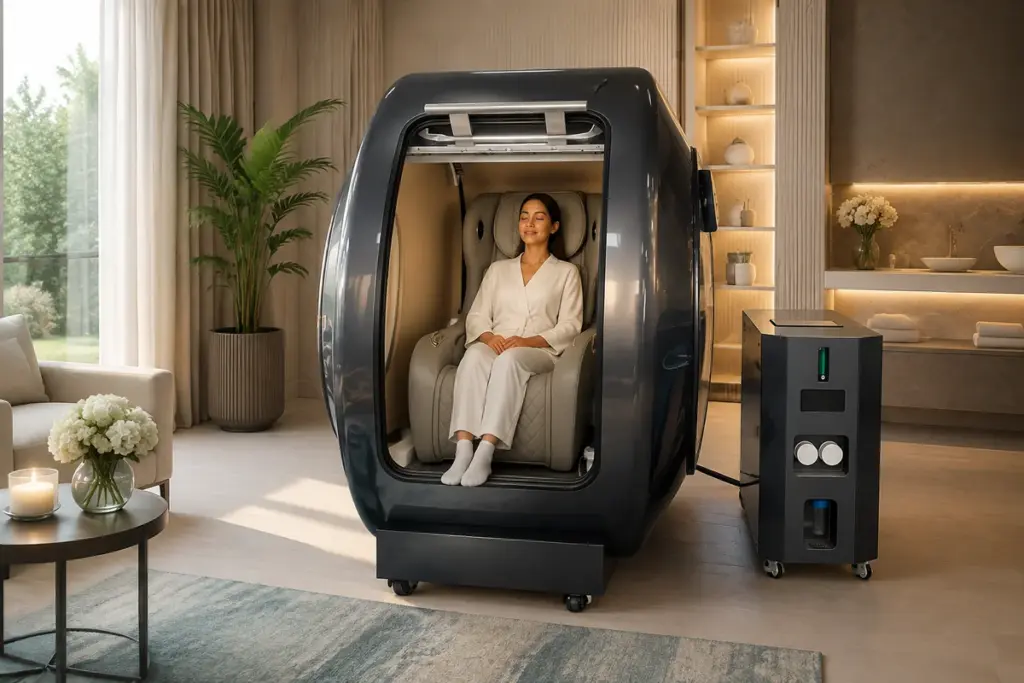
Customer comfort: Consider internal space, seating, access, visibility, controls, and how easily staff can assist customers. These details affect the user experience and day-to-day operation.
Safety and quality checks: Ask how pressure control, alarms, interlocks, electrical systems, and other relevant functions are inspected and tested. Request the applicable inspection reports and product documentation.
Space and maintenance: Confirm the chamber’s dimensions, access requirements, power supply, ventilation needs, cleaning procedures, and routine maintenance requirements before preparing your site.
Supplier support: Review the warranty, spare-parts availability, training materials, technical support, and delivery arrangements. A clear support plan can make a difference once the equipment is in regular use.
Finally, calculate the total cost of ownership, including installation or setup requirements, staffing, maintenance, and other operating expenses. A suitable chamber is one that meets your operational needs and safety obligations, not simply the one with the most features.
Why Does Chamber Design Matter for Commercial Wellness Settings?
Chamber design affects how a unit fits into your space, how customers experience a session, and how staff manage daily operation. For a wellness business, it is worth looking at both the chamber’s construction and its internal layout before making a decision.
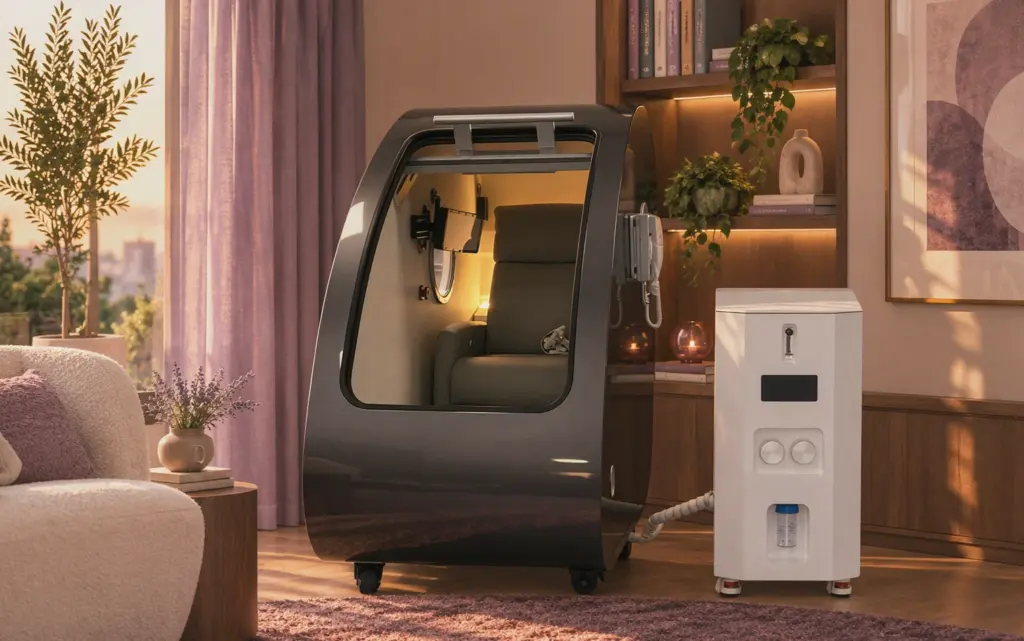
A hard-shell chamber may suit operators who prefer a rigid enclosure and a defined installation layout. However, the right choice still depends on the model, intended use, technical requirements, and local rules. You should compare actual specifications rather than assume that every hard-shell chamber offers the same capabilities.
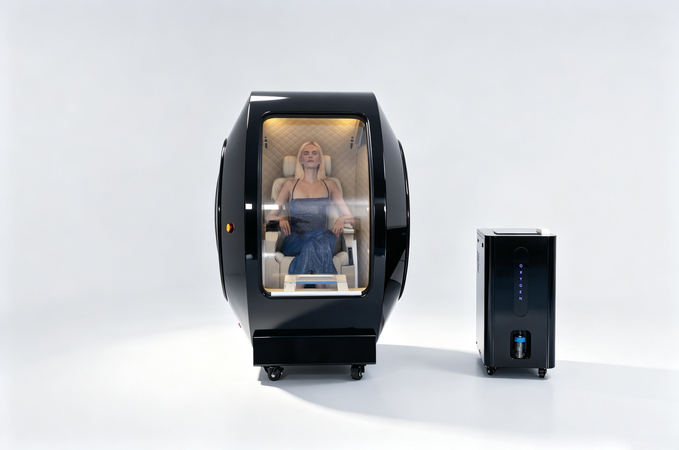
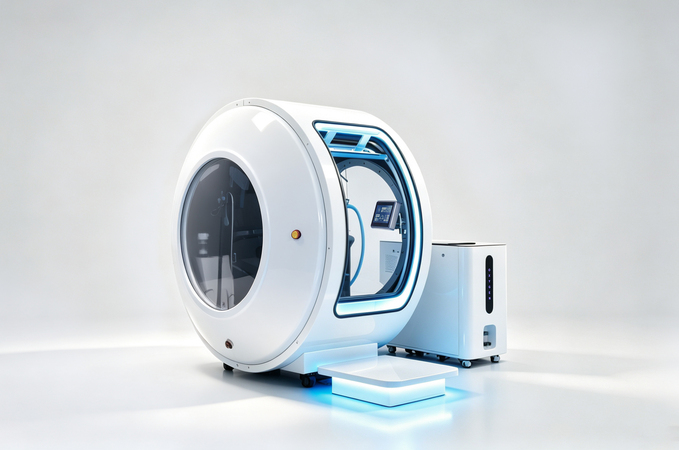
MIND offers two main hard-shell chamber models: Time Machine, made from 304 stainless steel, and Space Capsule, made from 20 mm-thick carbon steel. Their construction and design differ, so buyers should review the specifications of each model to determine which better fits their project.
Other details also deserve attention, including the seating arrangement, control system, oxygen supply configuration, and available options. Before ordering, confirm the chamber dimensions, site requirements, included accessories, inspection documents, and after-sales arrangements with the manufacturer.
For business owners, a good purchasing decision balances customer experience, operating needs, safety, and long-term support. The aim is to choose equipment that fits your service model, rather than paying for features that do not serve your actual requirements.
Conclusion: Are the Benefits of a Hyperbaric Chamber Worth Considering?
Hyperbaric chambers have established medical applications for certain conditions, but not every advertised benefit is supported by strong scientific evidence. Research into exercise recovery, longevity, and general wellness is ongoing, so realistic expectations are essential.
If you are considering a chamber for personal use or a wellness business, start with the intended purpose, available evidence, safety requirements, and the equipment’s specifications. These factors matter more than broad claims about what oxygen can do.
For wellness and recovery businesses evaluating hard-shell chambers, MIND can provide information on its Time Machine and Space Capsule models, including their configurations and manufacturing details. Contact the team to discuss your project and identify which specifications you need to review.
Frequently Asked Questions
1. What Does a Hyperbaric Chamber Do to Your Body?
A hyperbaric chamber increases the pressure around your body. During clinical hyperbaric oxygen therapy, you breathe oxygen at a high concentration while under pressure. This allows more oxygen to dissolve in your blood plasma, helping increase oxygen availability to tissues.
The effect is useful in certain medical situations, including selected wounds and injuries, when HBOT is provided as part of an appropriate treatment plan. However, the physiological effect does not mean that every person will experience a noticeable improvement in energy, immunity, or general health. The outcome depends on the condition, treatment protocol, and equipment used. If you are considering HBOT for a medical problem, ask a qualified healthcare professional whether it is appropriate for your situation.
2. How Long Does It Take to See Benefits from a Hyperbaric Chamber?
There is no single timeline that applies to every use of a hyperbaric chamber. In clinical settings, the number and frequency of sessions depend on the condition being treated, the treatment protocol, and the person’s response. Some treatment plans involve repeated sessions over days or weeks.
For proposed uses such as exercise recovery or healthy aging, the evidence does not establish a reliable timeline for results. Be cautious of providers who promise that you will feel better after a fixed number of sessions. Before beginning a program, ask what outcome is being measured, how progress will be assessed, and what evidence supports the recommended schedule. For medical treatment, follow the plan provided by your healthcare team rather than changing the frequency on your own.
3. Are Hyperbaric Chamber Benefits Scientifically Proven?
Some benefits of clinical hyperbaric oxygen therapy are supported by evidence for specific medical conditions. These include certain difficult-to-heal wounds, decompression sickness, and selected cases of serious tissue injury or carbon monoxide poisoning. The treatment is not appropriate for every condition, and its use depends on clinical assessment.
Other claims, particularly those involving general wellness, sports performance, and anti-aging, have less consistent evidence. Early studies may identify promising effects, but they do not always prove meaningful long-term benefits. You should check whether a claim is supported by well-designed human studies and whether those studies used a comparable treatment protocol. A responsible provider should explain both the potential benefits and the limits of current knowledge, rather than presenting every advertised benefit as a proven fact.
4. Is a Hyperbaric Chamber Safe for Everyone?
No. Hyperbaric oxygen therapy can cause ear or sinus discomfort, pressure-related injuries, and, less commonly, more serious complications. The oxygen-rich environment also requires strict fire-prevention measures. Certain medical conditions, including an untreated collapsed lung, can make treatment dangerous, while other conditions may require additional assessment.
If you are considering a chamber, discuss your medical history with a qualified healthcare professional and follow the device’s instructions. Do not assume that a chamber offered in a wellness setting is suitable for every person or every purpose. Business operators should also ensure that staff receive appropriate training, that safety procedures are followed, and that the equipment is maintained and inspected as required. Safety depends on the user, the device, the operating environment, and the way the chamber is used.
5. Can a Hyperbaric Chamber Be Used in a Wellness Center?
A hyperbaric chamber may be considered for a wellness business, but whether and how it can be offered depends on the equipment, intended use, and regulations in the country or region where the business operates. A wellness service should not be marketed as a medical treatment unless the relevant requirements are met.
Before purchasing a chamber, assess your target customers, available space, staff training needs, operating procedures, maintenance costs, and supplier support. Check the hyperbaric chamber manufacturer intended-use information and technical documents, and confirm local requirements before offering sessions. You should also be clear with customers about what research does and does not establish. For wellness center owners, the goal is to build a service that is operationally practical, safe, and accurately described, rather than relying on broad health claims to attract customers.
Substandard 2.0 ATA hyperbaric chambers hide risks from unstable pressure and oxygen levels to fire hazards and hull leaks. See how a qualified chamber is built, tested to GB/T 12130-2020 and TSG 24-2015, and how to avoid the traps.
A batch of customized Timing hyperbaric oxygen chambers crossed the ocean and arrived safely at an overseas client’s private premises. Every unit was securely packed with reinforced wooden crates, shock-proof protective film, and heavy-duty bindin...
When you compare hyperbaric chamber quotes from hyperbaric chamber manufacturer, the lowest price does not always represent the best value. Two suppliers may quote similar looking chambers but offer different materials, oxygen concentrator configu...
Adding a hyperbaric chamber for your wellness center requires more than choosing a model and placing an order. You need to confirm that your facility can accommodate the chamber equipment, that the delivery route is accessible, and that your staff...
 MindOXYChamber